Identifying Early Risk Signals Before They Turn Into Costly Mistakes
Most production problems don’t start on the production line.
In our experience working closely with factories in China, quality issues, delays, and unexpected cost increases1 almost always leave early signals—long before mass production begins.
The challenge for many overseas buyers is not a lack of effort, but a lack of visibility. When you are not on the ground, these early warning signs2 are easy to miss.
This article outlines what we look for before production problems appear, based on real sourcing and production coordination experience—not theory.
Why Production Problems Are Rarely “Sudden”
From the outside, production failures often feel unexpected:
- A shipment is delayed
- Product quality suddenly drops
- Costs increase after confirmation
But internally, these outcomes are usually the result of unresolved signals during the pre-production stage.
When those signals are ignored or misunderstood, issues tend to scale rapidly once production starts.
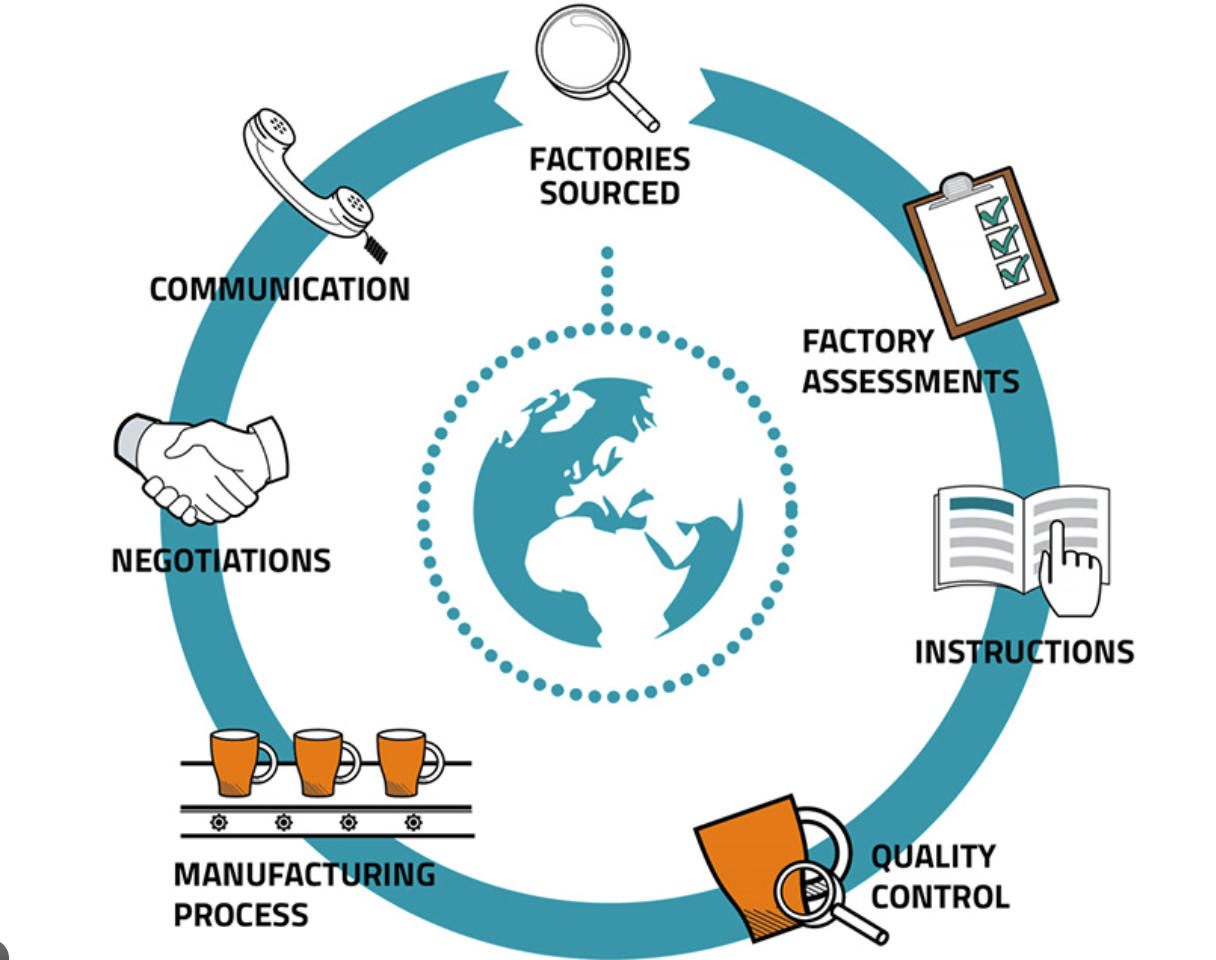
1. Inconsistent Communication Before Technical Questions Are Resolved
What we observe
- Different answers to the same question from sales, engineering, or production teams
- Vague confirmations like “no problem” without technical clarification
- Key details handled verbally instead of documented
Why it matters
Unclear communication before production rarely becomes clearer later. Instead, assumptions replace confirmations—and assumptions are expensive.
What happens if ignored
- Misaligned specifications
- Rework during production
- Disputes over responsibility
What we verify before production
- One consistent technical interpretation
- Written confirmation of critical parameters
- Clear ownership of decisions
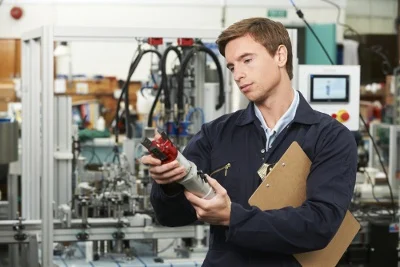
2. “Acceptable” Samples With Hidden Variability
What we observe
- Samples that look fine, but differ slightly between batches
- Minor changes in material feel, finish, or dimensions
- Factories unable to explain why samples differ
Why it matters
Variability at the sample stage almost always scales during mass production.
A stable process produces repeatable samples. Unstable samples indicate an unstable process.
What happens if ignored
- Inconsistent mass production quality3
- Higher rejection rates
- Increased inspection and rework costs
What we verify before production
- Sample repeatability, not just appearance
- Clear explanation of materials and processes
- Confirmation that samples reflect actual production conditions
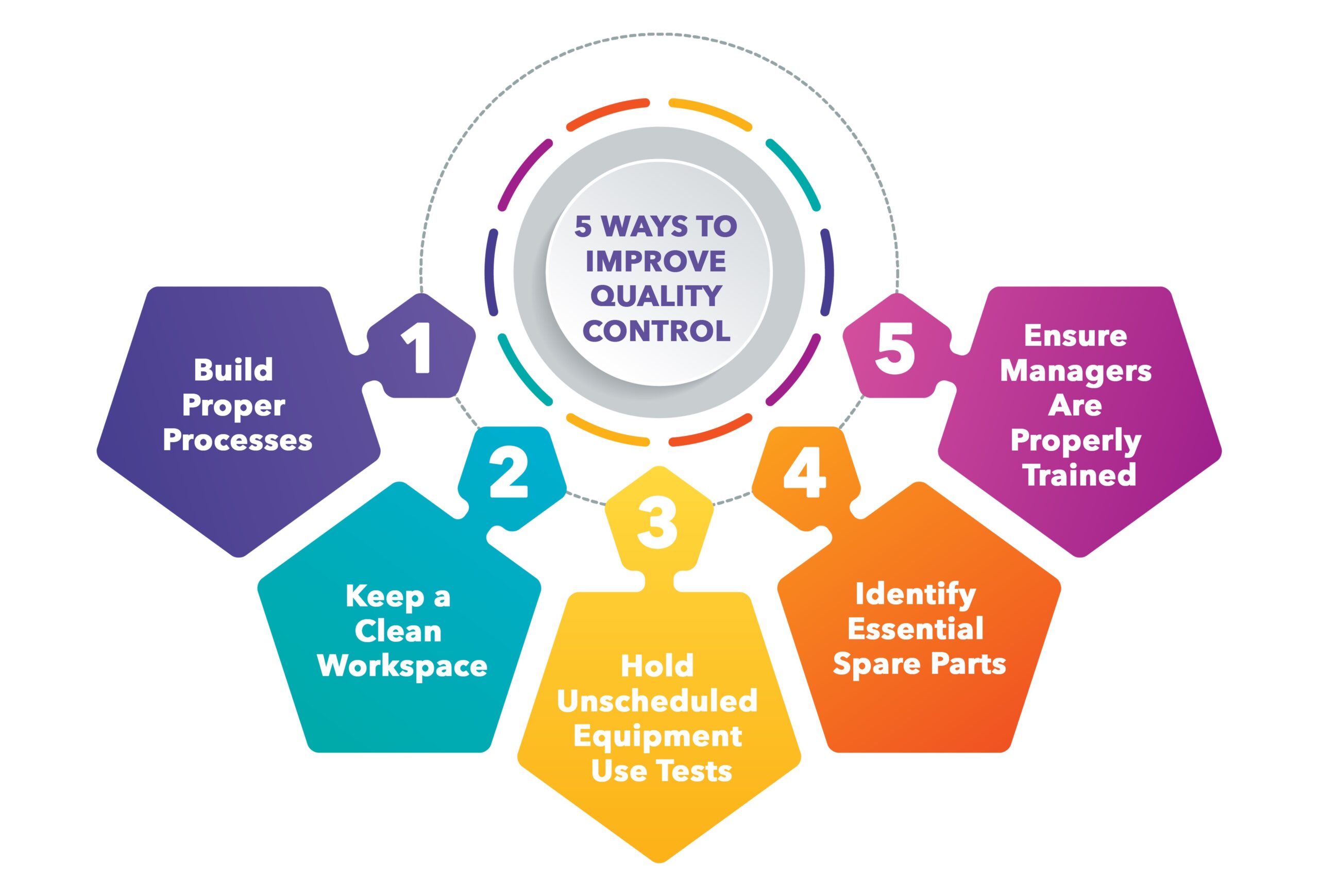
3. Responsiveness Under Pressure, Not Just Speed
What we observe
- Fast replies that avoid difficult questions
- Delayed responses once issues are raised
- Solutions offered without root-cause explanations
Why it matters
Speed without clarity is not responsiveness.
When problems occur during production, the ability to analyze, explain, and correct matters far more than fast replies.
What happens if ignored
- Repeated mistakes
- Superficial fixes
- Escalating quality risks
What we verify before production
- Willingness to explain problems
- Transparency when something is uncertain
- Problem-solving behavior, not just assurances
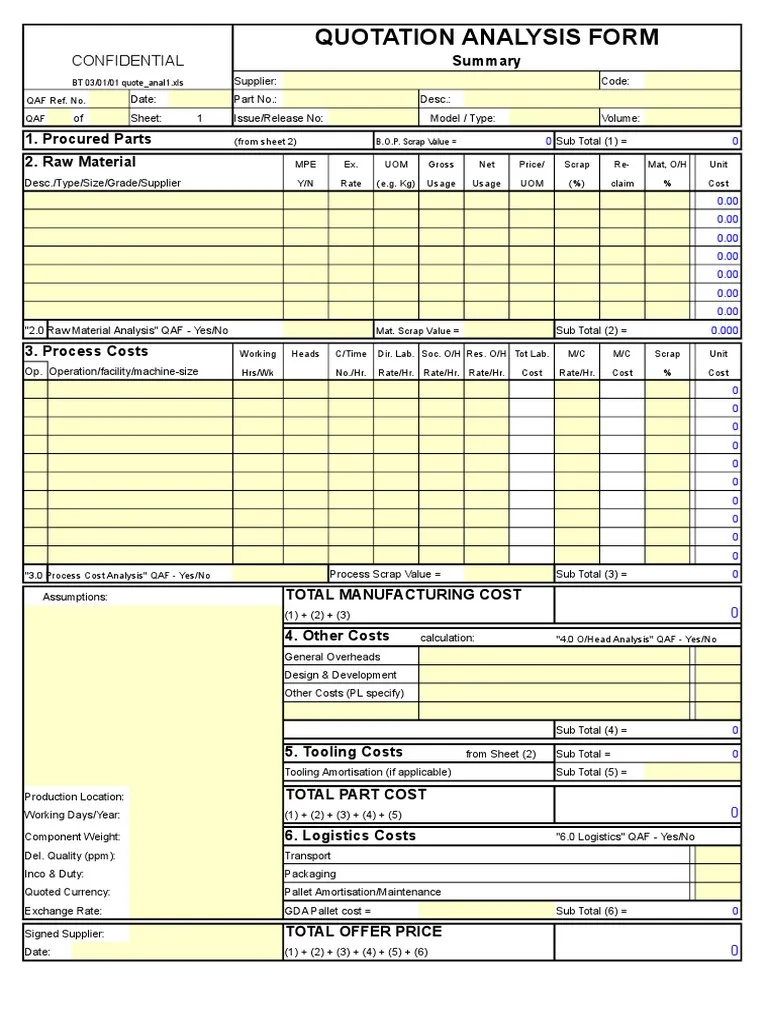
4. Quotation Logic That Doesn’t Match Production Reality
What we observe
- Prices significantly lower than market norms
- Missing breakdowns for materials, labor, or packaging
- Inability to explain cost drivers clearly
Why it matters
Low prices do not cause problems. Unexplainable prices do.
If a factory cannot explain its cost structure, adjustments often appear later—during production.
What happens if ignored
- Cost increases after confirmation
- Quality shortcuts
- Delivery delays
What we verify before production
- Logical and transparent pricing
- Alignment between quotation and actual process
- Clear understanding of what is included—and what is not
5. Production Timelines That Look “Too Smooth”
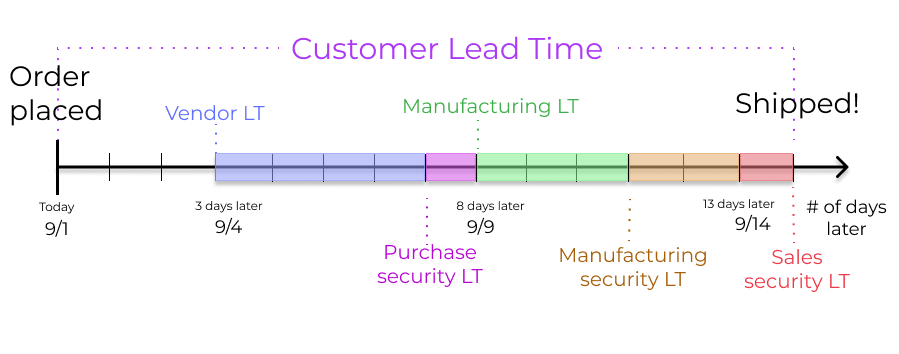
What we observe
- Single fixed delivery dates with no buffers
- No distinction between sampling, pilot runs, and mass production
- Overconfidence in timelines without contingency plans
Why it matters
Manufacturing rarely moves in straight lines.
A realistic timeline accounts for verification, adjustment, and correction.
What happens if ignored
- Missed shipment windows
- Rushed production
- Compromised quality
What we verify before production
- Built-in buffers
- Clear milestone checkpoints
- Contingency planning
Key Early Signals vs. Likely Outcomes
| Early Signal Identified Before Production | What It Usually Leads To If Ignored |
|---|---|
| Inconsistent technical answers | Specification disputes & rework |
| Unstable sample quality | Mass production inconsistency |
| Superficial responsiveness | Repeated unresolved issues |
| Unclear pricing logic | Cost increases or quality cuts |
| Over-optimistic timelines | Delays or rushed shipments |
This comparison highlights a simple pattern: Most production problems are predictable—if you know what to look for.
Why Early Verification Matters More Than Post-Production Fixes
Once mass production begins, your options narrow:
- Changes become expensive
- Timelines become rigid
- Mistakes affect entire batches
Early verification doesn’t eliminate all risk—but it keeps risk manageable and visible.
Final Thoughts
Production problems are rarely sudden.
They usually appear first as small signals—in communication, samples, pricing logic, and coordination behavior.
The earlier these signals are identified and verified, the more controllable a sourcing project4 becomes.
This is why effective sourcing is not about reacting faster after problems appear, but recognizing them before production begins.
Understanding these issues can help you anticipate and mitigate risks in your production process. ↩
Identifying early warning signs can save you from costly mistakes and ensure smoother production. ↩
Understanding these factors can help you maintain high standards throughout the production process. ↩
Discover strategies for effective sourcing that can lead to more successful production outcomes. ↩